I Just Learned What 'Vanilla' Really Means, And It's Not Very Vanilla
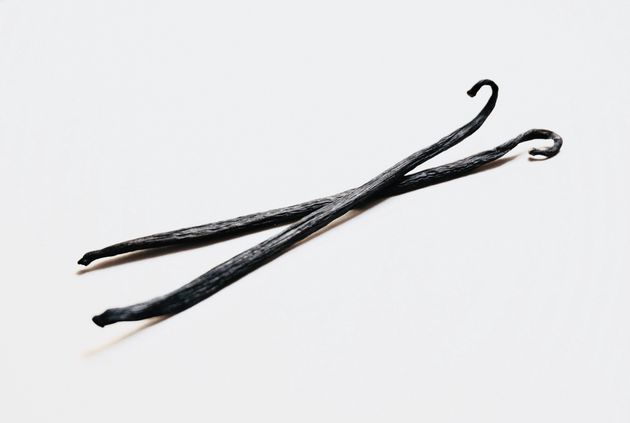
<div><img src="https://img.huffingtonpost.com/asset/677fb6a418000014005fb098.jpg?ops=scalefit_630_noupscale" alt="Two vanilla pods" data-caption="Two vanilla pods" data-credit-link-back="" data-credit="Jocelyn Morales via Unsplash" />Two vanilla pods</div><div class="content-list-component text"><p>You didn’t open this article to read my pet peeves, but now I have you: does anyone else hate it when people use the word “vanilla” to describe something boring?</p><p>The (delicious, actually!) pods grow from climbing orchids, which can only be pollinated by <a href="https://www.smithsonianmag.com/science-nature/bittersweet-story-vanilla-180962757/#:~:text=Growers%20couldn't%20understand%20why,be%20the%20orchid's%20primary%20pollinator.)" target="_blank" rel="noopener noreferrer">a tiny species</a> of stingless bee.</p><p>Fresh vanilla beans <a href="https://www.britannica.com/plant/vanilla" target="_blank" rel="noopener noreferrer">have no smell whatsoever,</a> either. They’re “sweated” and exposed to the sun for 10 days before being placed on trays, graded, and cured for months; vanilla extract is made by drawing the flavour out with booze.</p><p>So it shouldn’t have surprised me as much as it did to learn that the name itself has a far-from-dull origin.</p><h2><strong>The word ‘vanilla’ shares a root with ‘vagina’ </strong></h2><p>You read that right ― the flavoursome pods’ name comes from the same root as “vagina.” </p><p><a href="https://www.merriam-webster.com/dictionary/vanilla#word-history" target="_blank" rel="noopener noreferrer">According to Merriam-Webster,</a> the word is “borrowed from New Latin, borrowed from Spanish vainilla...the vanilla plant and fr
Read original
Huffington Post